
Branded Shirts
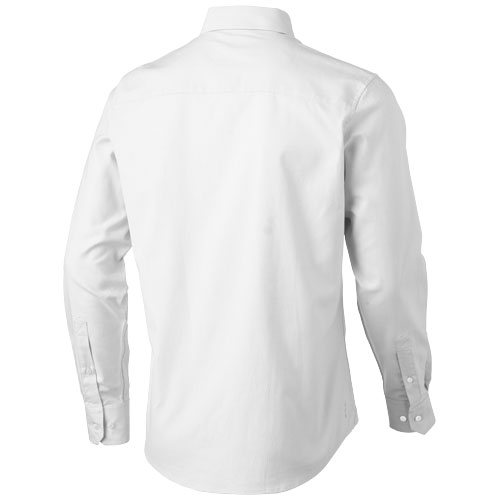
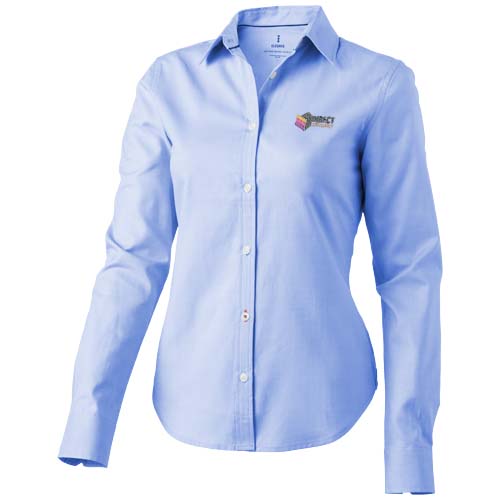
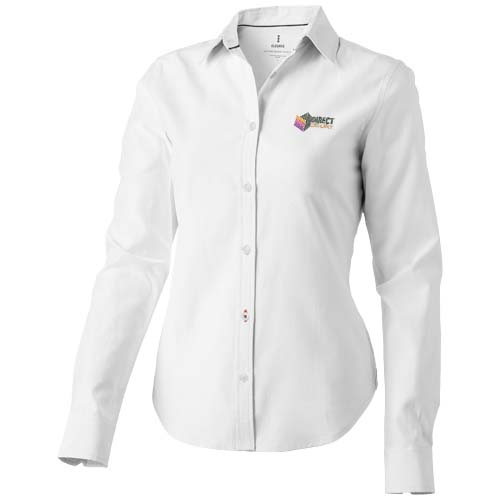
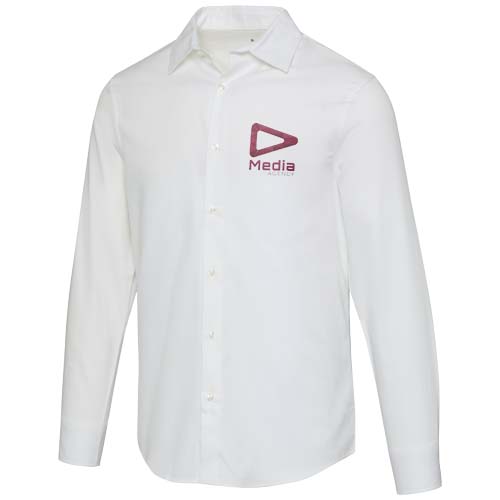
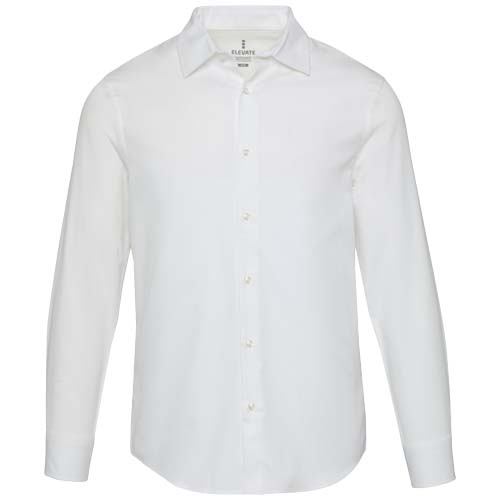
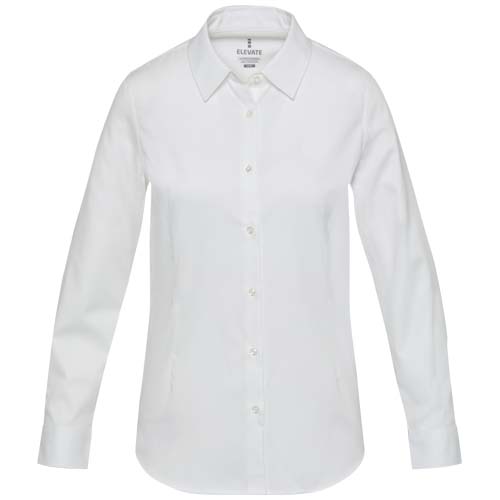
Shirts look smarter and more formal than a T-shirt or polo. That makes embroidered corporate shirts the natural choice for reception, front-of-house and client-facing roles.
Showing all 14 resultsSorted by price: low to high
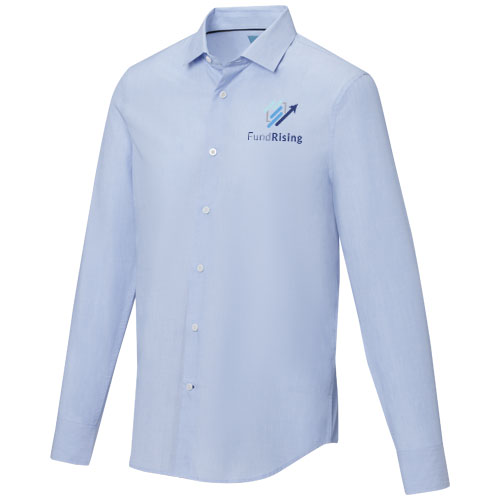
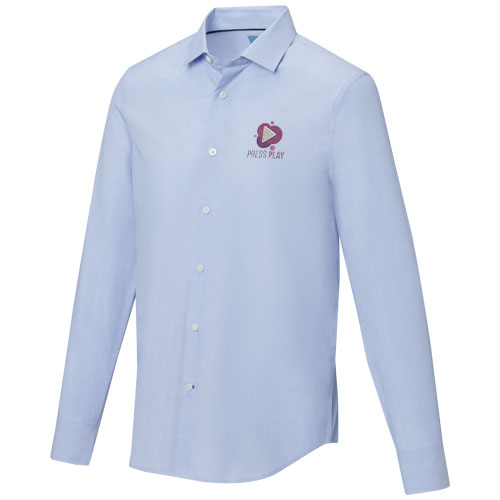


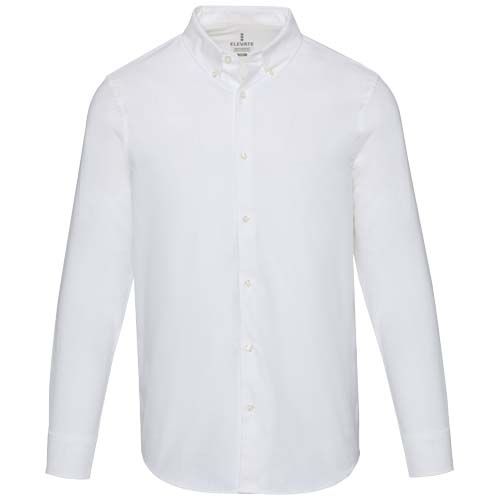


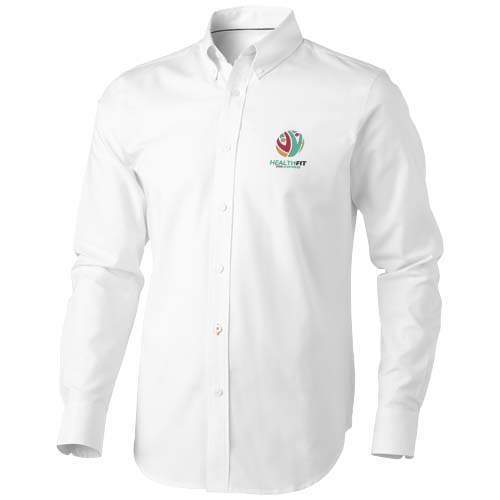



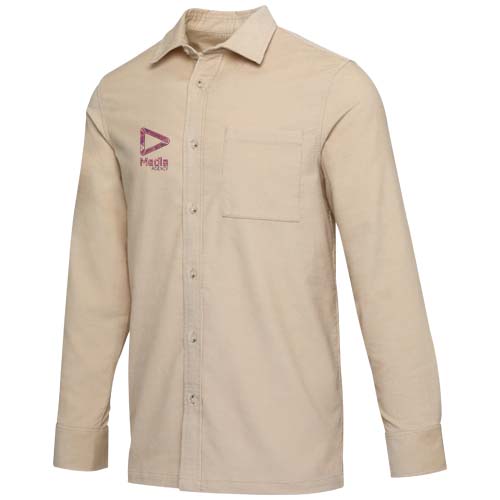
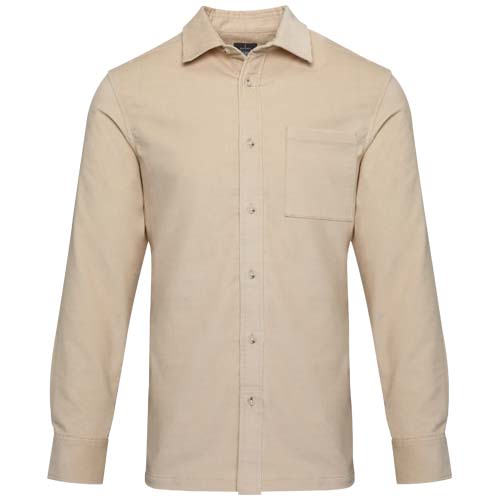
Showing all 14 resultsSorted by price: low to high
Quick Procurement Summary:
- Best For: Reception, front-of-house, client-facing roles and formal corporate uniforms.
- Materials: Cotton or cotton-blend poplin, often with wrinkle-resistant finishing.
- Branding Methods: Embroidery, typically placed on the chest or cuff.
- Delivery: UK-wide tracked delivery, with local support for Preston, Lancashire and Northwest organisations.
Written by Steve Ward, BusinessGiftUK.com · Last updated 5 July 2026
The Most Formal Option in Corporate Clothing
A shirt sits at the formal end of corporate clothing, above a polo, well above a T-shirt. That makes the decision less about branding and more about where the line between smart and casual needs to sit for a given role. Reception and client-facing staff generally benefit from that extra formality; a warehouse or event team usually doesn’t need it and would be better served by a polo or T-shirt instead.
Poplin, Oxford, Twill or Corduroy: Which Shirt Fabric Fits the Role?
Shirt fabric affects both formality and season. Poplin is the lightest and crispest option, oxford adds a little texture and body, twill is heavier and more structured, and corduroy sits at the casual-smart crossover for cooler months.
| Fabric | Feel & Weight | Best For | Example |
|---|---|---|---|
| Poplin (~133gsm) | Light, crisp, smooth finish | Everyday reception wear, warmer months | Carnelian poplin shirt |
| Oxford (~165gsm) | Slightly textured, more substantial | All-round office and front-of-house use | Sphene oxford shirt |
| Twill (~185gsm) | Structured, subtle diagonal weave | Cooler months, higher-traffic client-facing roles | Citrine twill shirt |
| Corduroy (~250gsm) | Heavy, textured, casual-smart crossover | Autumn/winter uniforms, hospitality settings | Alum corduroy shirt |
Keeping the Branding Subtle
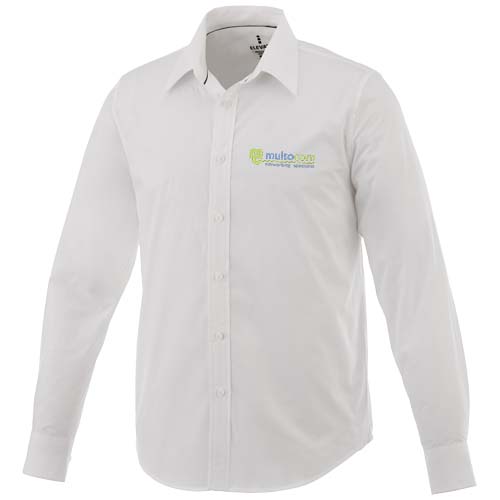
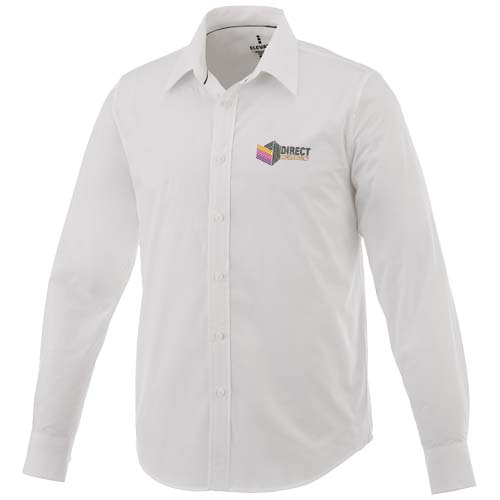
Because shirts read as formal wear, a large printed logo tends to look out of place. A small embroidered logo on the chest or cuff is the standard, professional approach, and is far more common on shirts than on any other clothing category we stock.
A Buying Pattern Worth Planning For
Shirts tend to get reordered in ones and twos rather than in one bulk batch. A new starter needs a couple of shirts, not fifty. If you’re planning stock levels or delivery timelines around a shirt uniform, it’s worth building in that ad hoc reorder pattern rather than assuming a single big order will cover a team the way it might for a one-off T-shirt giveaway run.
Related Clothing Categories
For a smart-casual alternative with more flexibility, browse our polo shirts. For cooler weather over a shirt, see our sweaters and jackets. If reception or front-of-house staff also need visible ID, our badge holders and lanyards complete the uniform.
Branded Shirts FAQs
Are branded shirts more formal than polo shirts?
Yes, shirts are generally considered more formal than polo shirts and are better suited to reception, front-of-house and client-facing roles.
What is the best logo placement for a branded shirt?
A small embroidered logo on the chest or cuff is the most common and professional placement for corporate shirts.
Can shirts be printed instead of embroidered?
Printing is less common on shirts due to their formal appearance; embroidery is the standard choice for a professional finish.
How long does a branded shirt order take?
Most orders complete within 10 to 14 working days of artwork approval, though this can vary by quantity and colour availability.