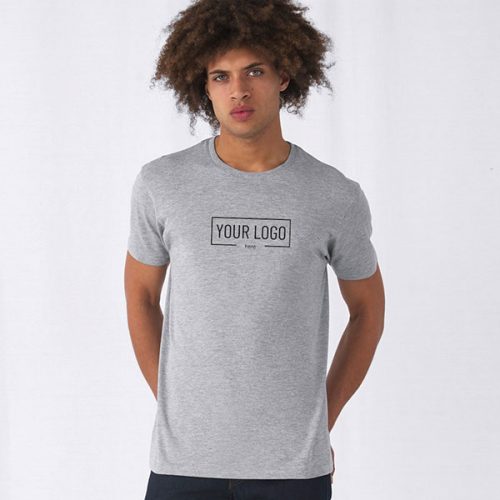
Branded Corporate Clothing & Workwear
Every garment in this range is chosen for a specific job: daily uniforms that survive repeated washing, event T-shirts built for one-off visibility, or premium polos for customer-facing teams. Sizes, colours and branding methods can be mixed within a single order, with UK-wide delivery and local support for Preston, Lancashire and Northwest organisations.
-

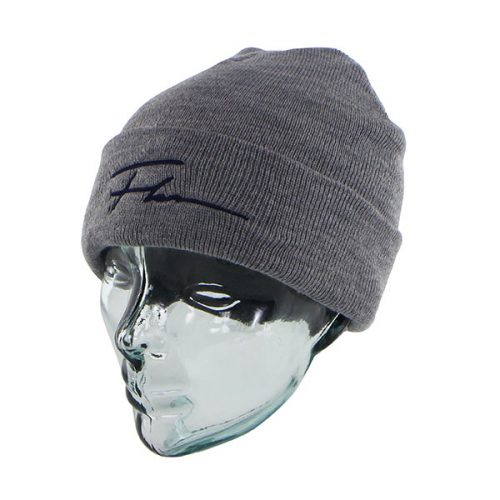
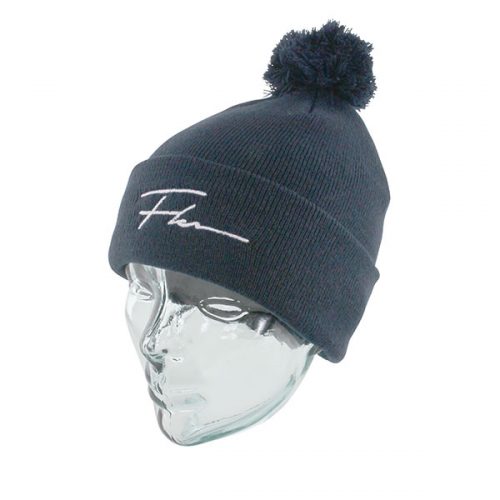
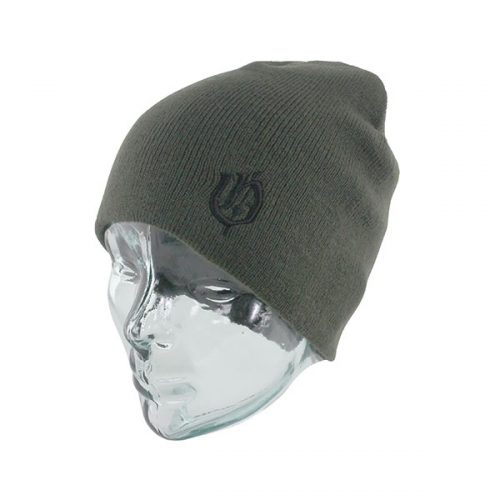
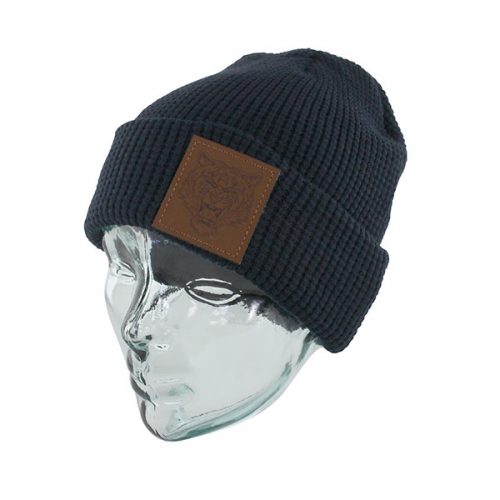
Branded Beanies (11)
-

Branded Bodywarmers & Gilets (19)
-

Branded Fleeces (9)
-

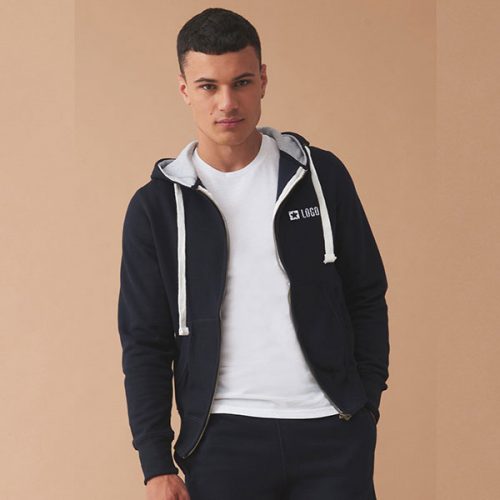
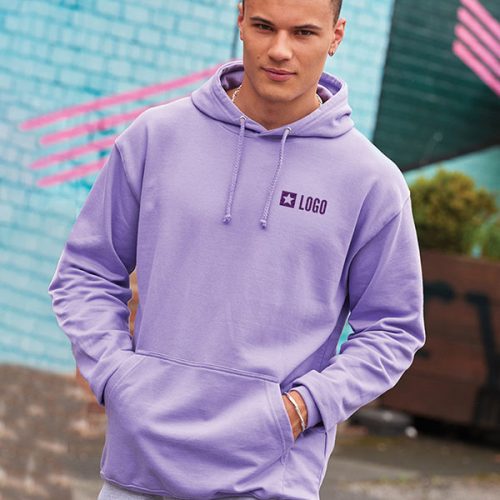
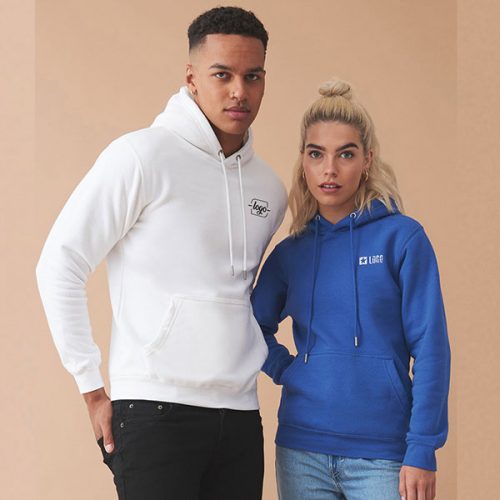
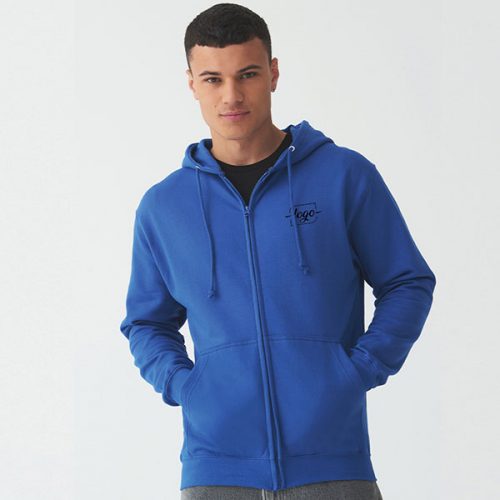
Branded Hoodies: Pullover & Zip-Through Styles (17)
-

Branded Jackets & Outerwear (55)
-

Branded Polo Shirts - Pique, Jersey & Performance (35)
-

Branded Pullovers (4)
-

Branded Rain Ponchos (2)
-

Branded Shirts (14)
-

Branded Shoes & Trainers (1)
-

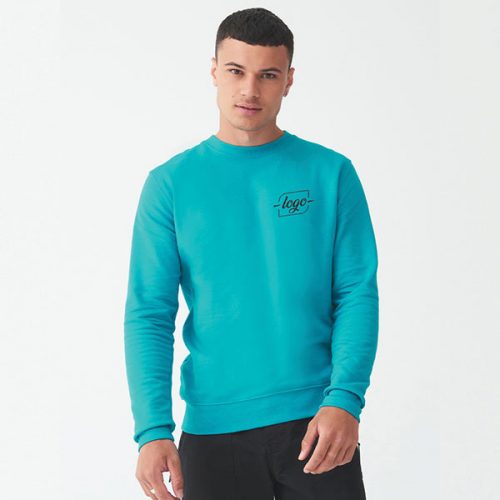
Branded Sweaters (19)
-

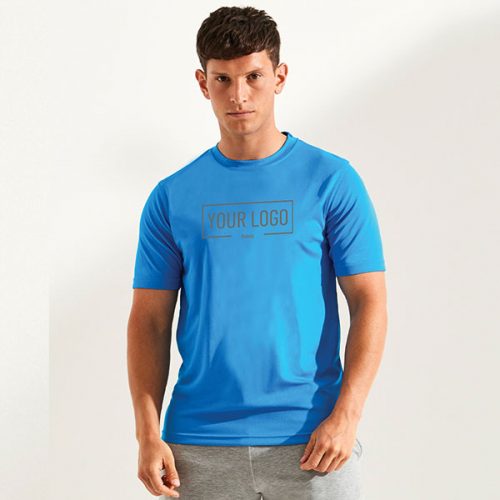
Promotional & Branded T-Shirts (76)
-

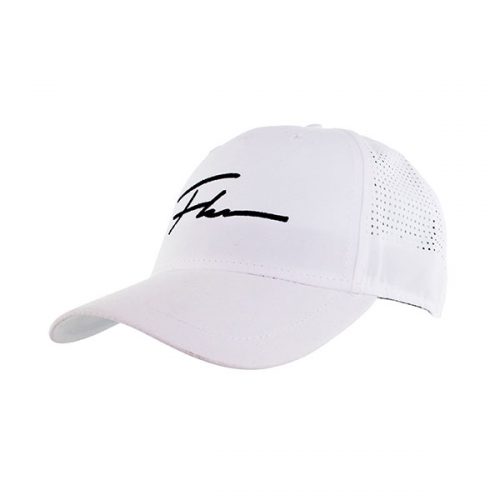
Promotional Hats & Caps (30)
-

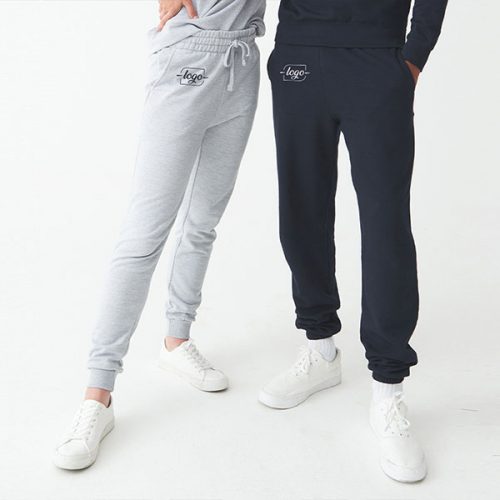
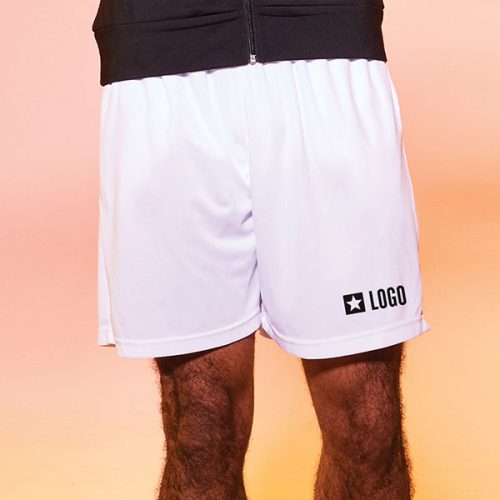
Promotional Shorts & Trousers (12)
-

Reflective Items (8)
Quick Procurement Summary:
- Best For: Staff uniforms, branded workwear, event teams, retail clothing, hospitality uniforms, outdoor staff, trade teams and promotional campaigns.
- Core Garments: T-shirts, polo shirts, shirts, hoodies, sweatshirts, fleeces, jackets, bodywarmers, caps, beanies and safety wear.
- Branding Methods: Embroidery, screen printing, DTF transfers, DTG printing and specialist garment decoration depending on fabric, quantity and use.
- Ordering: Mixed sizes, colours and garment types can usually be supplied, with digital artwork proofing before production.
- Delivery: UK-wide tracked delivery, with local support for Preston, Lancashire and Northwest organisations.
Written by Steve Ward, BusinessGiftUK.com · Last updated 4 July 2026
Choosing the Right Branded Clothing for Your Organisation
Branded clothing is one of the most visible ways for a UK business to look organised, professional and easy to recognise. The right clothing helps staff feel part of the same team, makes customer-facing employees easier to identify, and turns everyday uniforms into practical brand exposure. It also solves a real operational problem: people need clothing that is comfortable, suitable for the job and consistent with your brand.
The mistake many organisations make is treating all branded clothing as the same. A lightweight promotional T-shirt for a one-day event is not the same buying decision as a daily uniform for warehouse staff, a premium polo shirt for a sales team or a weatherproof jacket for outdoor workers. The best choice depends on how often the garment will be worn, how it will be washed, how visible the logo needs to be, and what impression the wearer needs to give.
This guide is written for commercial buyers, marketing teams, HR departments, operations managers and event organisers across the UK who need to choose branded clothing that will actually work in the real world. It explains the main garment types, decoration methods, ordering considerations and common mistakes to avoid before placing a bulk order.
Which Type of Branded Clothing Do You Need?
A good clothing order usually starts with the purpose of the garment rather than the product itself. Think about where the clothing will be worn, who will wear it, how long it needs to last and whether the priority is appearance, durability, low cost or visibility.
| Requirement | Recommended Clothing | Why It Works |
|---|---|---|
| Everyday staff uniforms | Polo shirts, sweatshirts and fleeces | Smart enough for customer contact, practical enough for regular washing and daily wear. |
| Trade shows and exhibitions | Printed T-shirts, polos and lightweight jackets | Creates a consistent team look and helps visitors quickly identify your staff. |
| Outdoor and mobile teams | Jackets, bodywarmers, fleeces and beanies | Keeps branding visible while giving staff practical protection from changing weather. |
| Construction, logistics and site work | Hi-vis safety clothing, durable T-shirts, hoodies and jackets | Balances visibility, comfort and durability for active working environments. |
| Hospitality and retail teams | Premium T-shirts, polos, shirts and aprons | Looks approachable and professional while allowing staff to move comfortably. |
| Cold-weather uniforms | Hoodies, sweatshirts, fleeces and softshell jackets | Adds warmth without losing brand consistency across the team. |
| Promotional giveaways | Value T-shirts, caps, beanies and event clothing | Useful for volume campaigns where visibility and cost control matter most. |
Printed vs Embroidered Clothing: Which Is Better?
There is no single best branding method for every garment. The right choice depends on the fabric, quantity, logo detail, wash requirements and the impression you want to create. In practice, many organisations use a mixture: embroidered polos for supervisors, printed T-shirts for event staff, branded jackets for outdoor workers and hoodies for casual uniform or merchandise.
| Branding Method | Best For | Watch Out For |
|---|---|---|
| Embroidery | Polos, shirts, fleeces, jackets, caps and heavier workwear | Not always suitable for very lightweight garments or extremely detailed artwork. |
| Screen Printing | Bulk T-shirts, event clothing, campaign graphics and simple logos | Setup costs mean it is usually better value at larger quantities. |
| DTF Transfers | Full-colour logos, smaller runs, gradients and detailed artwork | The finish and feel can vary depending on artwork size and garment fabric. |
| DTG Printing | Detailed designs, soft-feel prints and creative short runs on suitable cotton garments | Best results usually come from the right garment colour and fabric choice. |
| Vinyl or Specialist Transfers | Names, numbers, workwear markings and selected personalisation | Not always the best route for complex or very large production runs. |
As a rule of thumb, embroidery gives a premium, long-lasting finish on structured garments such as polos, shirts, fleeces and jackets. Printing is usually the better route for large graphics, event designs, back prints, sponsor logos and high-volume T-shirt campaigns. If you are unsure, the safest approach is to choose the garment first, then match the branding method to the fabric and use case.
How Different Teams Use Branded Clothing
Branded clothing works best when it reflects the job being done. A one-style-fits-all approach can look tidy on paper, but in practice it often creates problems. Office staff may need something smarter, warehouse staff may need harder-wearing garments, and outdoor teams may need layers that still keep the logo visible.
Office and Customer-Facing Teams
For office, reception and front-of-house roles, the priority is usually a clean, consistent appearance. Embroidered polo shirts, smart shirts, knitwear and subtle jackets are often better than large printed graphics. A small left chest logo is usually enough to identify the business without making the uniform feel overly promotional.
Retail, Hospitality and Leisure
Retail and hospitality uniforms need to be comfortable, washable and easy to reorder. Premium T-shirts, polos and aprons are common because they give staff freedom of movement while keeping the brand visible. For these sectors, fit and comfort matter. If staff dislike wearing the garment, the uniform programme becomes harder to manage.
Trades, Warehouses and Logistics
Trade and logistics teams often need clothing that can cope with movement, lifting, vehicles, weather and repeated washing. Midweight or heavyweight T-shirts, sweatshirts, fleeces, bodywarmers and jackets are practical choices. Where visibility matters, safety vests and hi-vis layers should be treated as part of the uniform plan, not an afterthought.
Events, Charities and Promotional Campaigns
For events and campaigns, visibility is often more important than long-term durability. Printed T-shirts, caps, hoodies and lightweight outerwear can create an instant team identity. Large back prints, sponsor logos and campaign messages are common here, especially when staff, volunteers or participants need to be identifiable from a distance.
Schools, Universities and Clubs
Education and club orders often involve mixed sizes, multiple garment colours, society logos, sponsor branding and repeat orders across the year. Hoodies, T-shirts, polos and sportswear are popular because they are wearable outside the event itself. For this type of order, keeping artwork organised is just as important as choosing the garment.
What Steve Has Learned From Supplying Branded Clothing
One of the most common mistakes in branded clothing procurement is buying only on the cheapest unit price. A very low-cost T-shirt might be fine for a one-day giveaway, but it is often the wrong choice for a daily staff uniform. If the garment loses shape, fades quickly or feels uncomfortable, the real cost becomes higher because it has to be replaced sooner.
Another common issue is choosing the decoration method before considering the garment. Embroidery looks excellent on polos, jackets and fleeces, but it can distort lightweight fabrics if the design is too large or dense. Likewise, a large full-back print might be perfect for an event T-shirt but unnecessary on smart front-of-house clothing. The best results come from matching the garment, logo size and branding method together.
Consistency is also easy to underestimate. Businesses sometimes order different styles at different times because something is on offer, then end up with teams wearing mismatched shades, fits and logo placements. For a professional uniform programme, it is usually better to standardise on a small, consistent set of garments that can be reordered reliably. That keeps the brand consistent across departments, locations and future new starters.
Common Mistakes to Avoid When Ordering Branded Workwear
- Choosing lightweight garments for daily uniforms: A cheap option can be false economy if it needs replacing quickly.
- Using embroidery on unsuitable fabric: Heavy stitching on thin garments can pull or distort the material.
- Making logos too large: Bigger is not always better, especially for professional uniforms.
- Ignoring staff sizing: Guessing sizes often leads to waste, delays and unhappy staff.
- Mixing too many garment styles: Different shades and fits can weaken the brand consistency of a uniform.
- Forgetting reorders: Choose garments that are likely to remain available if you need more later.
- Leaving artwork too late: Poor-quality logo files can slow down production and affect the final result.
- Not considering wash frequency: Daily-wear uniforms need tougher garments and decoration methods than one-off event clothing.
Building a Clothing Programme Instead of a One-Off Order
If you are ordering for a whole business, it helps to think in layers. A practical branded clothing programme might include T-shirts for warmer days, polo shirts for customer-facing staff, sweatshirts or hoodies for cooler environments, fleeces for extra warmth, and jackets for outdoor work. This gives staff options while keeping the brand consistent.
For larger organisations, it can also help to create a simple uniform hierarchy. For example, general staff may wear printed T-shirts, supervisors may wear embroidered polos, and outdoor teams may have branded softshell jackets. This approach makes roles easier to identify while avoiding unnecessary complexity in the order.
Repeat ordering should be considered from the start. If you expect to recruit new staff regularly, attend events throughout the year or supply multiple locations, it is worth standardising garment colours, logo placements and artwork files. That makes future orders quicker, easier and more consistent.
Sizing, Samples and Staff Rollouts
Size planning is one of the practical details that can make or break a uniform order. Most organisations need a spread of sizes, and some garments fit differently depending on brand, cut and fabric. If the order is for daily workwear, plain samples can be useful so staff can check fit before production. This reduces the risk of ordering too many of the wrong sizes.
For multi-site or department-based orders, it is helpful to collect sizes in a simple spreadsheet before requesting a quote. Keep garment type, colour, size and quantity separate so the order can be checked properly. If different departments need different colours or logo positions, identify those clearly at the start because they may require separate production setups.
Artwork, Logo Placement and Brand Consistency
The most common logo position for professional clothing is left chest, especially on polo shirts, shirts, fleeces and jackets. It is subtle, recognisable and suitable for daily uniforms. Larger front or back prints are better suited to event clothing, promotional campaigns, charity teams and sponsor-led designs.
For the best result, supply artwork as a vector file such as AI, EPS or PDF. High-resolution PNG files may also work for some print methods, but vector artwork gives the cleanest result for logos and text. Before production, a digital proof should show logo position, size and colours so you can approve the final appearance.
For printed garments, Pantone colour matching can help keep brand colours consistent. For embroidery, thread colours are matched as closely as possible using professional thread charts. Exact colour replication can vary slightly between print, thread and fabric, so it is worth checking proofs carefully if brand guidelines are strict.
Sustainability and Lifetime Value
Sustainable branded clothing is not only about choosing an organic cotton option. It is also about buying garments that last, choosing styles people will actually wear and avoiding unnecessary replacements. A better-quality garment that stays in use for longer can be more responsible than a cheaper product that quickly ends up unworn or replaced.
Organic cotton, recycled polyester and responsibly sourced garments are useful options for organisations with sustainability targets. They are especially relevant for universities, charities, public sector campaigns, wellness brands and businesses that want their clothing to reflect a broader environmental message.
However, sustainability should still be practical. A recycled garment that is unsuitable for the job will not deliver good value. The best approach is to balance material choice, durability, comfort and the expected life of the clothing.
Related Branded Clothing Categories
For high-volume campaigns and events, browse our branded T-shirts. For smarter everyday uniforms, see our embroidered polo shirts and branded shirts. For colder weather, team merchandise and casual uniforms, explore custom hoodies, branded sweatshirts, fleeces and branded jackets. For outdoor or site-based teams, our hi-vis and safety clothing, bodywarmers, beanies and caps can help keep staff visible and consistent across the workplace.
Branded Clothing FAQs
What is the best type of branded clothing for staff uniforms?
For most staff uniforms, polo shirts, sweatshirts, fleeces and jackets offer the best balance of comfort, durability and professional appearance. T-shirts are useful for casual teams, events and warmer working environments, while shirts are better for smarter front-of-house roles.
Is embroidery or printing better for workwear?
Embroidery is usually best for polos, shirts, fleeces, jackets and caps where a premium, long-lasting logo is needed. Printing is usually better for T-shirts, large designs, back prints, sponsor logos and high-volume event clothing.
Can we mix different garments in one branded clothing order?
Yes. Many orders include a mixture of T-shirts, polos, hoodies, jackets and other garments. Bulk pricing may still apply where the same logo, decoration method and setup can be used, but different logo positions or artwork versions may need separate setups.
Can staff choose their own sizes?
Yes. For larger uniform rollouts, it is sensible to collect staff sizes before production. Plain samples can often be arranged so teams can check fit, fabric and style before the final branded order is produced.
How do you keep brand colours consistent on clothing?
For printed garments, Pantone colour matching can be used where suitable. For embroidered clothing, thread colours are matched as closely as possible using professional thread charts. A digital proof is supplied before production so logo placement and colours can be checked.
What artwork format is best for branded clothing?
Vector artwork such as AI, EPS or PDF is best for logos because it can be scaled cleanly without losing quality. High-resolution PNG files may also be suitable for some print methods, depending on the design.
How long does a branded clothing order usually take?
Standard production is usually around 10 to 14 working days from artwork approval, although timings can vary depending on garment availability, quantity, branding method and delivery requirements. Fixed event dates should be shared as early as possible.
Can branded clothing be reordered later?
Yes. Reorders are usually straightforward if the same garment style, logo position and artwork are used. For businesses that order regularly, it is worth standardising garments and keeping artwork consistent to make future orders faster and more reliable.
Do you offer sustainable branded clothing options?
Yes. Organic cotton, recycled polyester and other more sustainable garment options are available across selected categories. The best choice depends on the intended use, budget, branding method and required lifespan of the garment.